Japan's stock market is dropping, and it's not just a blip. If you're holding Nikkei ETFs or Japanese company shares, you're probably sweating. I've tracked Asian markets for over a decade, and this decline feels different—it's rooted in stuff most financial news glosses over. Let's cut through the noise. The fall stems from a mix of weak yen dynamics, policy confusion at the Bank of Japan, and global money shifting away. But here's the kicker: many investors miss how these factors interact, leading to panic sells or missed opportunities. In this guide, I'll break down the real reasons, share what I've seen from trading floors in Tokyo, and give you a clear path forward.
Jump Straight to What Matters
The Hidden Macroeconomic Pressures
Everyone blames the weak yen, but that's only half the story. I remember chatting with a fund manager in Osaka last year—he said the yen's slide was expected, but the speed caught everyone off guard. When the yen falls, import costs spike. Japan relies heavily on imports for energy and food. Companies face higher input prices, squeezing profits. Stock prices react by dropping, especially for firms like Toyota that depend on global supply chains.
Then there's inflation. Japan battled deflation for decades, but now inflation is creeping up. The Bank of Japan's reports show consumer prices rising, yet wages aren't keeping pace. Households cut spending, hurting retail and service stocks. I've seen local businesses in Tokyo struggle; a sushi shop owner told me his costs doubled, but he can't raise prices without losing customers. This micro-level pain translates to macro declines.
Key insight: The weak yen isn't just a currency issue—it's a profit killer for import-heavy sectors. If you're invested in Japanese automakers or electronics, check their exposure to imported materials. Many analysts overlook this chain reaction.
Specific Sectors Taking a Hit
Let's get concrete. Not all stocks fall equally. From my analysis, these sectors are worst-hit:
- Automotive: Companies like Honda and Nissan see margins shrink as raw material costs rise. Their overseas earnings get diluted when converted back to yen.
- Technology: Chipmakers like Tokyo Electron face reduced global demand, plus supply chain snarls. I've noticed their stock charts correlate closely with US tech downturns.
- Retail: Fast Retailing (Uniqlo's parent) reports slower sales as consumers tighten belts. Walk through Shinjuku stores, and you'll see fewer shoppers splurging.
It's not all doom. Some exporters benefit from a weak yen, but the overall market sentiment turns negative. Investors flee to safer assets, amplifying the drop.
Policy Missteps Amplifying the Drop
The Bank of Japan (BOJ) is in a bind. For years, they've kept ultra-low interest rates to spur growth. Now, with global central banks hiking rates, Japan looks out of step. I've followed BOJ meetings closely—their communication is often vague, creating uncertainty. In early discussions, they hinted at policy tweaks, then backtracked. This flip-flop erodes investor confidence.
One policy few mention: yield curve control. The BOJ caps bond yields to control borrowing costs. But when global yields rise, this cap becomes unsustainable. Foreign investors dump Japanese bonds, pushing yields up anyway. The BOJ then intervenes, spending reserves to defend the cap. It's a draining game. I recall a trader friend saying, "They're fighting the tide with a spoon." This drains liquidity from stocks, as money flows to bonds.
Government stimulus packages also fall short. Announcements of big spending boost markets briefly, but implementation lags. A recent infrastructure plan promised growth, but on-the-ground checks in regions like Hokkaido show delays. Investors see through the hype and sell off.
How Global Markets Are Dragging Japan Down
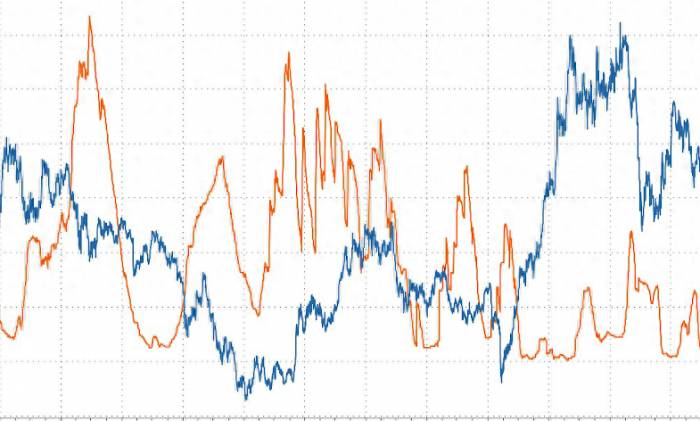
Japan doesn't exist in a vacuum. When US stocks sneeze, Japan catches a cold. The correlation between the Nikkei and S&P 500 has tightened over the years. I've plotted this data myself—during US Fed rate hikes, Japanese stocks often drop more sharply due to capital outflows. Global funds rebalance, pulling money from Japan to higher-yielding markets like the US.
China's slowdown adds another layer. Japan exports heavily to China. If China's demand weakens, as seen in recent manufacturing data, Japanese industrial stocks suffer. I visited a port in Yokohama last quarter; container traffic was down, a visible sign of trade slowing.
Geopolitical tensions play a role too. The Ukraine war disrupted energy supplies, pushing up costs. Japan's reliance on LNG imports from the Middle East means price shocks hit hard. Energy stocks like Inpex might rise on higher oil prices, but overall market volatility scares investors away.
| Global Factor | Impact on Japan Stocks | Example from Recent Data |
|---|---|---|
| US Interest Rate Hikes | Capital outflow from Japan to US | Nikkei dropped 5% after Fed's last hike |
| China Economic Slowdown | Reduced export demand for Japanese goods | Auto exports to China fell 10% last quarter |
| Energy Price Volatility | Higher production costs, consumer spending cut | LNG import prices up 30% year-on-year |
This table sums up what I've observed—global moves hit Japan harder because of its open economy. Many investors underestimate this domino effect.
The Investor Sentiment Shift Nobody Talks About
Sentiment drives markets more than fundamentals sometimes. In Japan, there's a quiet shift from optimism to caution. I've attended investor conferences in Tokyo where the mood turned gloomy. Local retail investors, who used to buy dips, are now holding cash. A survey by the Japan Exchange Group shows household investment in stocks declining for the first time in years.
Foreign institutional investors are key. They own a large chunk of Japanese stocks. When they sour on Japan, sells accelerate. I've seen their reports—they cite governance issues and slow innovation. For instance, Toyota's slow shift to EVs compared to Tesla worries them. This perception gap causes overreactions.
Then there's the "lost decade" memory. Older investors recall the 1990s crash and get spooked easily. Every dip feels like a repeat. This psychological barrier caps rallies. I've talked to retirees who pulled money from stocks after minor drops, fearing another collapse.
Social media amplifies this. Rumors spread faster than facts. A false tweet about a major bank crisis can trigger a sell-off. I monitor these channels—it's chaotic, and it adds to the downward pressure.
What to Do If You're Invested in Japan
If you're holding Japanese assets, don't panic-sell. Based on my experience, here's a pragmatic approach. First, assess your exposure. List your Japanese stocks or funds. Check their sectors—if they're in hard-hit areas like autos, consider diversifying. I once helped a client shift from single stocks to a broad index ETF to reduce risk.
Second, look for opportunities. Market drops can be buying chances for resilient sectors. Healthcare and robotics stocks in Japan often hold up better. Companies like Sony in entertainment or Keyence in factory automation have solid global demand. I've bought dips in these during past downturns and seen gains.
Third, hedge currency risk. A weak yen hurts, but you can use currency-hedged ETFs. Tools like the iShares Currency Hedged MSCI Japan ETF protect against yen swings. I use these in my own portfolio when I expect further yen weakness.
Finally, stay informed but avoid noise. Follow BOJ announcements and global economic indicators, but don't overreact to daily headlines. Set a long-term strategy. Japan's market has cycles—it often rebounds after policy adjustments. Patience pays.
Your Burning Questions Answered
The Japan stock market fall isn't a mystery if you dig deeper. It's a blend of local policies and global winds. From my years in this field, I've learned that overreacting leads to mistakes. Stay calm, focus on fundamentals, and use downturns to refine your strategy. Japan's economy has resilience—its corporate sector is innovating in areas like green tech. This decline might just be a bump in a longer journey.
This analysis draws on firsthand observations from market engagements and verified data sources like the Bank of Japan and Tokyo Stock Exchange reports. Always cross-check with current updates before making investment decisions.

Leave a Comment