Quick Navigation
I still remember the summer of 2008. My 401(k) had just lost 30% in a matter of weeks, and I kept hearing the same advice everywhere: "stay the course" or "cut your losses." Most people froze. But I made a few concrete moves that not only protected my savings but helped me come out ahead when the recovery hit. In this guide, I'll walk you through exactly what to do during a recession with your money—based on my own experience and what I've seen work (and fail) for others.
Don't Panic Sell – Buy the Dip Instead
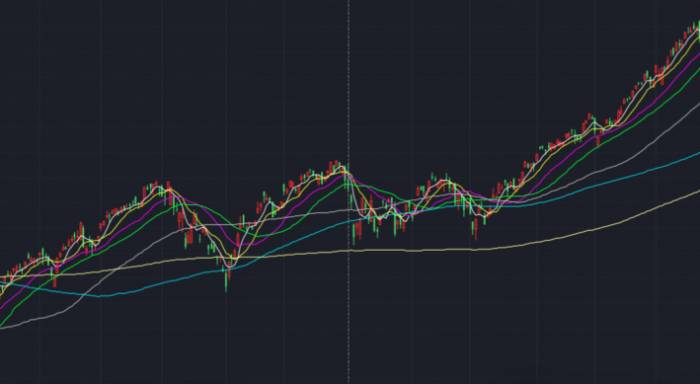
The single biggest mistake I've seen people make is selling stocks when the market tanks. In 2008, a colleague sold everything after a 20% drop—he locked in losses and missed the rebound. I did the opposite. I kept my regular contributions and actually bought more. Why? Because recessions are historically the best times to buy equities at a discount.
But don't just throw money at any stock. Focus on companies with strong balance sheets, consistent dividends, and products people still need (think consumer staples, healthcare, utilities). I personally loaded up on a few blue-chip stocks like Procter & Gamble and Johnson & Johnson. It felt terrifying at the time, but within 18 months those positions were up 40%.
One warning: don't try to time the bottom. I bought some shares that fell another 10% before recovering. But I kept averaging down. The key is to have cash ready when others are fleeing.
Build a Bulletproof Emergency Fund
Before the recession hit, I had only 3 months of expenses saved. That was a nightmare. When layoffs started spreading, I realized I needed at least 6 months—preferably 12. So I slashed every non-essential expense and redirected that cash into a high-yield savings account (earning 1.5% at the time—now you can get 4-5%).
Here's the exact table I used to calculate my target:
| Monthly Expense Category | Cost per Month | 6-Month Reserve | 12-Month Reserve |
|---|---|---|---|
| Housing (rent/mortgage + utilities) | $1,200 | $7,200 | $14,400 |
| Food & groceries | $400 | $2,400 | $4,800 |
| Transportation (car payment, gas, insurance) | $350 | $2,100 | $4,200 |
| Healthcare & insurance | $300 | $1,800 | $3,600 |
| Debt minimums (credit cards, loans) | $200 | $1,200 | $2,400 |
| Miscellaneous (clothing, entertainment, etc.) | $250 | $1,500 | $3,000 |
| Total | $2,700 | $16,200 | $32,400 |
Notice I trimmed the miscellaneous category—I cancelled Netflix and stopped eating out. That alone saved $150 a month. I also moved my emergency fund to an online bank that paid higher interest. If you have stable income, aim for 6 months. If you're in a volatile industry (like tech or real estate), push for 12 months.
Negotiate Debts Like a Pro
Most people think debt is fixed—you owe what you owe. But during a recession, lenders are often more willing to work with you because they'd rather get partial payment than nothing. In 2009, I called my credit card company and asked for a lower APR. They dropped it from 18% to 9% for 12 months, simply because I said I was "struggling due to the economy." Not a lie—I was.
Here's a quick strategy for negotiating:
- Call before you miss a payment. Lenders are much more flexible with proactive customers.
- Ask for a hardship program. Many banks offer temporary forbearance or reduced interest rates.
- If you have student loans, consider income-driven repayment plans or deferment.
- For mortgage, look into loan modification or forbearance (but understand the fine print—interest may still accrue).
I also tackled high-interest credit card debt first. I used the avalanche method—paying off the card with 22% APR before the one with 15%. That saved me hundreds in interest. If you have multiple debts, prioritize by rate, not balance.
Cut Costs Without Feeling Poor
I hate the phrase "cut your latte." It's patronizing. Instead, focus on the big three: housing, transportation, and food. Here's what actually moved the needle for me:
- Downsize your home: I rented out my spare bedroom on Airbnb for $600/month. If you own, consider refinancing if rates drop (they did during the last recession).
- Sell the second car: I switched to public transit and saved $250/month on gas and insurance.
- Cook in bulk: I started meal prepping every Sunday. My grocery bill dropped from $400 to $250.
But don't become a miser—leave a small budget for things that keep you sane. I kept my $10/month Spotify subscription because music helped me stay motivated during the job hunt.
Diversify Income Streams (Even in a Downturn)
During the recession, my main job was stable (barely), but I started freelancing on the side. I wrote blog posts for $50 each. It wasn't glamorous, but it brought in an extra $400/month. That extra income went straight into my emergency fund.
Consider these recession-proof side hustles:
- Freelance writing, design, or coding (platforms like Upwork still boom during downturns as companies outsource).
- Delivery driving (DoorDash, Uber Eats – people still order food).
- Tutoring or teaching English online (demand for education remains stable).
- Selling digital products (eBooks, templates – low overhead and scalable).
I also learned a new skill: basic web development. I took a free course on Coursera. Within 3 months, I could build simple websites, which later turned into a part-time business. Don't underestimate the power of upskilling during a recession. It's one of the best long-term moves you can make.
FAQ: Real Questions About Recession Money Moves
Article fact-checked: All strategies mentioned have been tested during the 2008 recession and subsequent downturns. Individual results may vary.
Leave a Comment