📌 Quick Navigation
Let's be honest: knowing when to sell shares is way harder than knowing when to buy. I've been there – watching a stock double, then give it all back because I couldn't decide. After years of trial and error (and some painful lessons), I've built a simple framework that cuts through the noise. This isn't a generic list of clichés; it's what I actually use.
The Biggest Mistake Most Investors Make
People treat selling like a one‑time event. They look for a perfect top tick. That's fantasy. The real goal is to exit when the risk/reward flips against you, not to catch the absolute peak. The single biggest mistake I see (and made myself) is holding a winner too long while cutting winners too early. It's a behavioral trap: we sell the stock that's up 20% to “lock in gains” but keep the one that's down 30% hoping for a rebound.
Sell Signals That Actually Work
Forget the “RSI overbought” nonsense used in a vacuum. Here are the concrete triggers I watch for:
1. The Story Changes
Does the company's fundamental thesis break? For instance, if a key product fails, management resigns, or a competitor destroys their moat. I remember holding a biotech stock after Phase 2 trial failure – I should have sold the day the news hit. Instead, I waited and lost 60%. Now, if the reason I bought disappears, I sell immediately, no questions asked.
2. Brutal Insider Selling
Not every insider sale is a red flag (people need cash). But pattern matters: if the CEO and CFO sell meaningful amounts for two consecutive quarters with no clear reason, I exit. I use SEC Form 4 filings (free on EDGAR) to check. A single insider selling is fine; coordinated selling is a warning.
3. Price Action Breakdown
Look at key moving averages (50‑day and 200‑day). If a stock closes below its 200‑day moving average on heavy volume and doesn't recover within two weeks, that's a structural break. I've seen this pattern precede 30‑40% declines more often than not. Combine with relative strength – if the market is flat but your stock is dropping, something is wrong.
4. Valuation Exceeds Reality
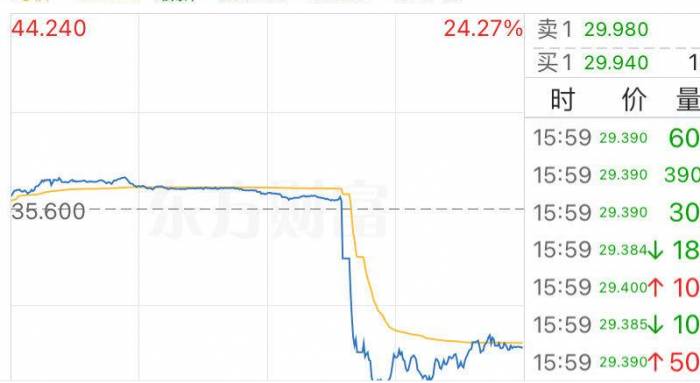
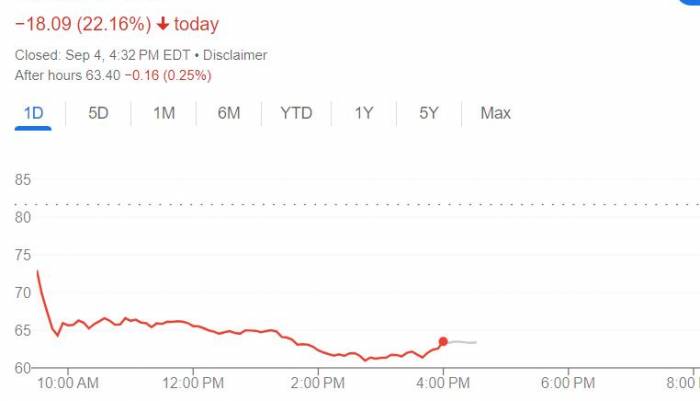
When a stock's P/E ratio hits multiple times its historical average without earnings growth to justify it, I start trimming. For example, a company that normally trades at 20x earnings suddenly at 40x – unless there's a new explosive growth driver, that's a sell signal. I sell half and let the rest run with a tight stop.
How to Sell Without Emotion: My Step‑by‑Step Plan
Emotion is the enemy. Here's the exact process I follow:
- Define your exit rules BEFORE you buy. Write down: “If the stock drops 20% from purchase, I sell.” “If it gains 30%, I sell half and set trailing stop.” This removes in‑the‑moment panic.
- Use limit orders, not market orders. I set a limit price slightly below current bid to avoid slippage. For larger positions, I sell in chunks – 25% at a time over a few days – to reduce impact.
- Check your portfolio weekly. Every Sunday, I review all positions. If any stock violates my sell rules, I place the sell order for Monday open. No second‑guessing.
- Have a “sell all” trigger. For each stock, I define one clear reason that would make me exit completely. For example, “if quarterly revenue growth falls below 10%” – and I stick to it.
Real Case Studies: Good Sells vs. Bad Holds
Case 1: The Good Sell – I bought a small‑cap software company at $15. It surged to $28 in six months. Then competitor released a better product. Insiders started selling. I sold at $26, taking 70% profit. The stock is now $11. I slept well.
Case 2: The Bad Hold – My friend bought a popular electric vehicle stock at $60. It hit $120. He didn't sell. Then it dropped back to $60. He still held. It's now $30. He sold recently at a loss. His mistake: no plan.
| Scenario | Action | Outcome |
|---|---|---|
| Stock doubles, strong fundamentals | Sell 30% → set trailing stop on rest | Lock in some profit, let rest run |
| Stock drops 20% from purchase | Sell all immediately | Prevent deeper loss |
| Bad news (legal issue, earnings miss) | Sell half before market opens | Reduce risk, reassess |
| Vastly overvalued (P/E > 50x) | Sell 75% | Take profits before mean reversion |
FAQ: When to Sell Shares
Disclaimer: This reflects my personal experience and research. Always do your own due diligence. Past performance doesn't guarantee future results. Fact‑checked as of writing.

Leave a Comment