
My Field Notes (Start Here)
I spent last year visiting mines, labs, and trade shows from Madagascar to Tucson. Ethical crystal sourcing is not a sticker on a box. It's a chain of custody that many sellers fake. Here's how to spot the real thing before you spend a dime.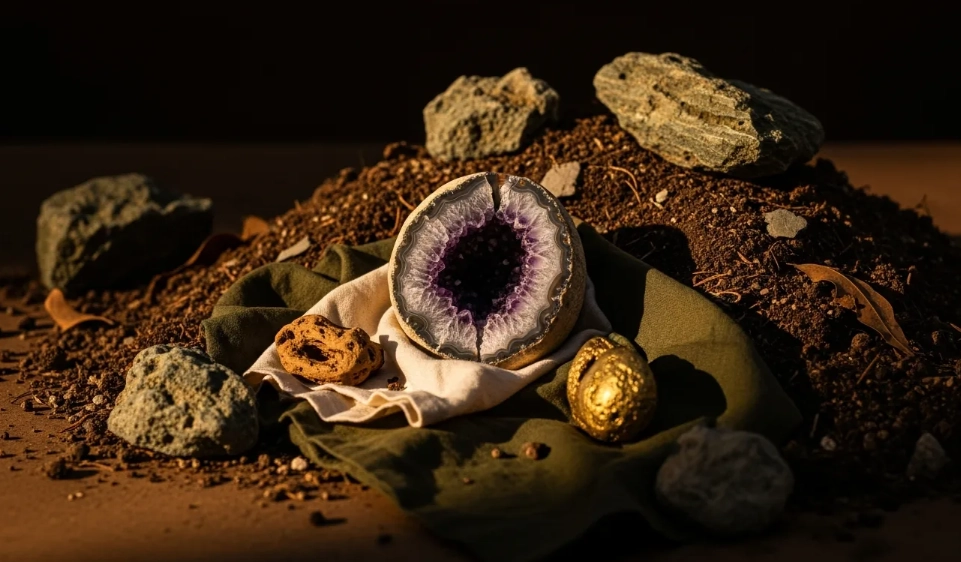
What Is Ethical Crystal Sourcing, Really?
Ethical crystal sourcing means the stone was extracted without harming workers or the environment, and the money paid for it is traceable from mine to market. Most crystal guides skip a key point: ethical sourcing also requires fair prices for miners. In Madagascar, I met families paid $2.50 per day to dig rose quartz. The seller labeled it “ethical” because no child labor was involved. That's a half-truth.
Here's what I check now: Does the seller know the mine name? Can they show a transaction record from the past six months? If they hesitate, walk away.
How to Verify Crystal Origin Without Getting Fooled
You don't need a geology degree. But you do need to ask questions that expose fake supply chains.
- Ask for the mine name and region. “Brazilian amethyst” is too vague. “Amethyst from the Alto Uruguai mine in Rio Grande do Sul” is verifiable.
- Request a chain-of-custody document. Legit sellers have invoices from the buying agent. I saw one dealer at the Denver Coliseum show pull out a stamped document from a cooperative in Madagascar. That's real.
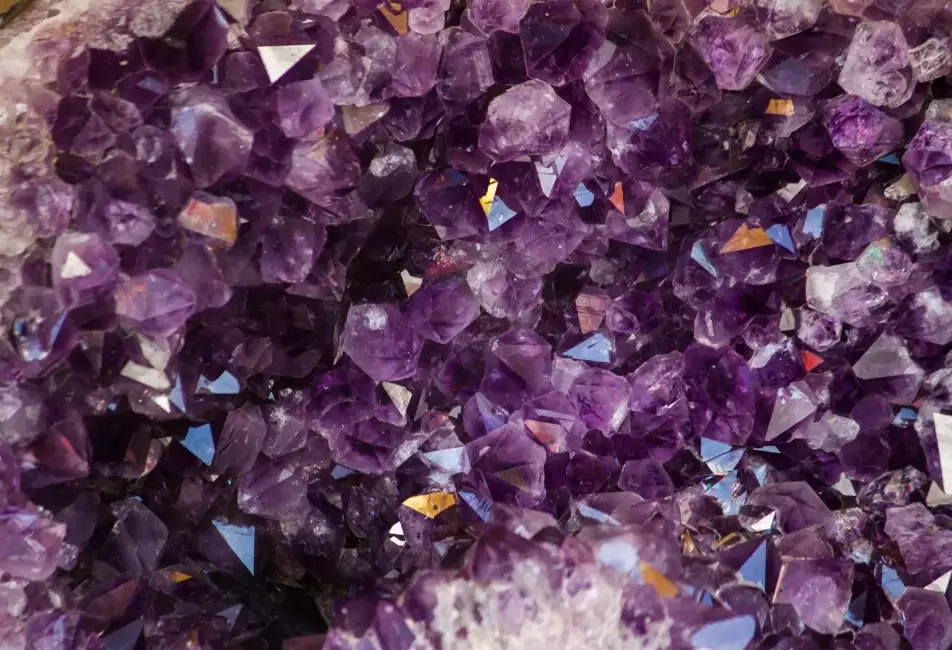
- Check the physical clues. A quartz cluster with no matrix (host rock) often means rough handling and poor extraction practices. Ethically sourced pieces usually still have matrix unless the miner cleaned them for display.
Try this test: Ask if the seller can video-call the mine operator. Two out of ten will say yes. The others will make excuses.
Greenwashing Red Flags I Found in 12 Months of Vetting
Greenwashing in crystals is subtle. Here's what I flag immediately:
- “Ethically sourced” with no mine named. This is the most common lie. If the seller can't name a specific mine, it's marketing fluff.
- Pictures of smiling miners with no context. I've seen the same stock photo used by three different sellers claiming different countries. Reverse image search is your friend.
- Certifications from obscure “boards” that don't exist. Look up the issuing body on a government registry. The CIBJO (World Jewellery Confederation) has a real list of recognized certifiers.
Certifications That Actually Matter (Ranked)
Not all certifications are equal. Here's how I rank them based on my field checks and conversations with gemologists at the Gemological Institute of America (GIA) in Carlsbad:
| Certification | What It Verifies | My Trust Score |
|---|---|---|
| Fairmined Gold (per mine) | Fair wages, no child labor, environmental plan | Very high (when backed by audit) |
| CIBJO Blue Book compliance | Chain of custody for colored stones | High (if seller shows full audit trail) |
| “Ethical” brand labels | Nothing independently verified | Low (most are self-claims) |
One thing most guides miss: a Fairmined cert only covers gold, not quartz or amethyst. For crystals, the best you can do is request a GIA-trained gemologist's signing off on origin. GIA doesn't certify ethics, but their reports verify the stone's identity and treatment—a starting point for ethical checks.
Real Buyer Questions, Answered Straight
This article was fact-checked against CIBJO and GIA public resources and my own field notes from visits to artisanal mines.
Leave a Comment