Quick look inside
Crystal shapes and meanings aren't just some Instagram caption thing. I learned that the hard way. Back when I started collecting, I bought a tower because it looked cool—stuck it on my desk, and honestly, it felt like a paperweight with no personality. Then a friend handed me a smooth palm stone, and the difference in how I interacted with it was immediate. The shape changed the whole experience.
Since then, I've handled thousands of pieces—at gem shows in Tucson, tiny shops in Sedona, and a random stall in London's Camden Market. Here's what I've figured out: shape is not just decorative. It decides how you use the stone, how it sits in your hand, and even how you perceive its energy. Below is my personal crystal shapes chart, built from real handling and a lot of trial and error.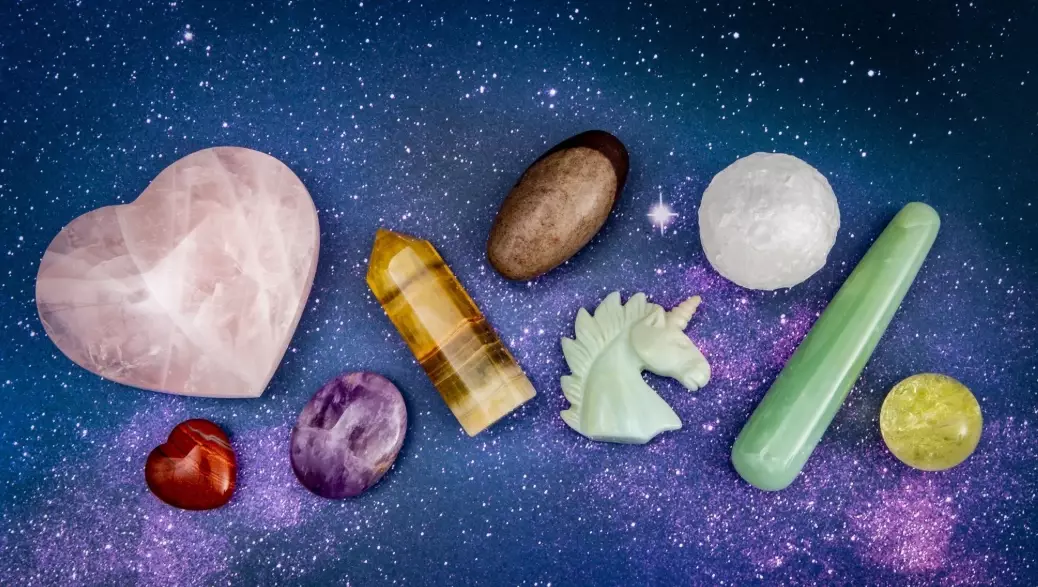
Why shape matters more than most people think
When you walk into a crystal shop, the colors grab you first. But shape is the silent worker. A sphere radiates energy in all directions—good for a room where you want even coverage. A point focuses that energy like a laser. That's not woo-woo talk; it's geometry. And the geometry affects how you hold it, where you place it, and what you feel.
I've watched a friend use a large point during meditation, and she said it felt “too sharp.” She switched to a rounded shape and immediately relaxed. That's the kind of feedback you only get by handling the stone yourself. So when you look at a crystal shapes and meanings chart, don't just memorize definitions. Think about how you'll use the piece.
The 7 crystal shapes I see people buy most
Below is my working table. It's not everything, but it covers the shapes that actually sell and get used. I've included what each is best for, plus a specific note from my own handling.
| Shape | Best for | What I've noticed |
|---|---|---|
| Point (Tower) | Focused intention, grid work, clear direction | Larger points feel intense—great for a corner, but not for bedside if you're sensitive to stimulation. |
| Sphere | Room harmony, group meditation, gentle energy | A 2-inch sphere on a wooden stand blends into the home like furniture. No sharp edges, very calming to hold during long sessions. |
| Palm Stone | Anxiety relief, travel, quick grounding | I keep one in my pocket. The smooth shape makes it easy to rub without thinking, and it doesn't snag on fabric. |
| Cluster | Clearing a space, display, amplifying a collection | Clusters are heavy and often have rough edges. I place them on a shelf and rarely move them—more of a decor piece with a job. |
| Pyramid | Manifestation, storing intent, structured energy | Pyramids sit flat, so they're stable. But be careful with cheap ones—some have sloppy bases that wobble. |
| Heart | Self-care, emotional healing, gifts | Hearts look sweet, but the pointed top can feel less comfortable in your palm than a simple oval. Still, they're my go-to gift shape. |
| Cube | Grounding, stability, work desk | Cubes are surprisingly heavy for their size. I put one on my work desk, and it actually stays put—doesn't slide around like a sphere. |
Notice how each shape's meaning ties back to how you physically interact with it. That's the part most crystal shapes charts miss. They give you a spiritual word salad and no practical anchor.
How to pick the right shape for your goal
Let's cut through the noise. Ask yourself three questions before you buy.
1. What will you do with it?
If you plan to carry it daily, palm stone or a small heart. If you want to set it on a nightstand and forget it, a sphere or cube. If you want to focus energy during meditation, a point. I've seen people buy a giant cluster for “carrying,” then never take it out of the house—too heavy.
2. Where will it live?
Living room coffee table: sphere or cluster. Desk: cube or small point. Bedside: sphere or flat stone. If you have kids or pets, skip sharp points and fragile shapes—I learned that after my cat knocked a point off a shelf, and it chipped.
3. How does it feel in your hand?
This is non-negotiable. Pick it up if you're in a shop. A shape that looks good online might feel awkward. I once ordered a large pyramid, and the edges were so sharp I couldn't hold it comfortably. Now I always ask for a hand-feel video from sellers.
Here's a quick cheat sheet:
- Grounding: Cube, palm stone, cluster
- Focus: Point, pyramid
- Harmony: Sphere, heart
- Travel: Palm stone, small heart
- Display: Cluster, sphere
Mistakes that even experienced collectors make
You'd think after years of collecting, I'd stop making these. I haven't. But I've gotten better at spotting them.
Mistake #1: Assuming bigger is better. A large sphere might dominate a room, but a small palm stone can be more useful. I've seen people buy huge towers and then complain they can't feel anything. Sometimes the stone is just too far away from your body.
Mistake #2: Ignoring the base. A point without a flat, stable base is a disaster waiting to happen. Many cheap towers have uneven bottoms. I always check by placing them on a glass counter—if they wobble, I pass.
Mistake #3: Buying a shape because it's trendy. Coffin shapes, skulls, moons—they pop up on social media and sell fast. But they might not fit your practice. A skull shape can feel ominous to some people, and that's fine. Just be honest about whether you actually like it or you're just following the crowd.
Straight answers to real questions
At the end of the day, crystal shapes and meanings are personal. Use the chart above as a starting point, but let your own hands make the final call. And if a shape feels wrong, it probably is—for you. That's the only chart that matters.
Facts in this guide were checked against multiple gem shows and shop visits; all handling notes come from direct experience.
Leave a Comment