What This Guide Covers
Crystal collecting for beginners usually starts with a $40 impulse buy at a gift shop. Mine was a polished rose quartz tower that I later found out was dyed. The color bled onto a white cloth. That was my welcome to the hobby.
Here's the thing: most beginner guides tell you to "buy what you love." That's fine advice if you already know what you're looking at. It falls apart when you can't tell natural citrine from heat-treated amethyst, or when a seller tells you a $12 pyrite cube is "AAA grade." I've spent a decade and real money learning where the traps are. This guide is what I wish someone handed me at the start.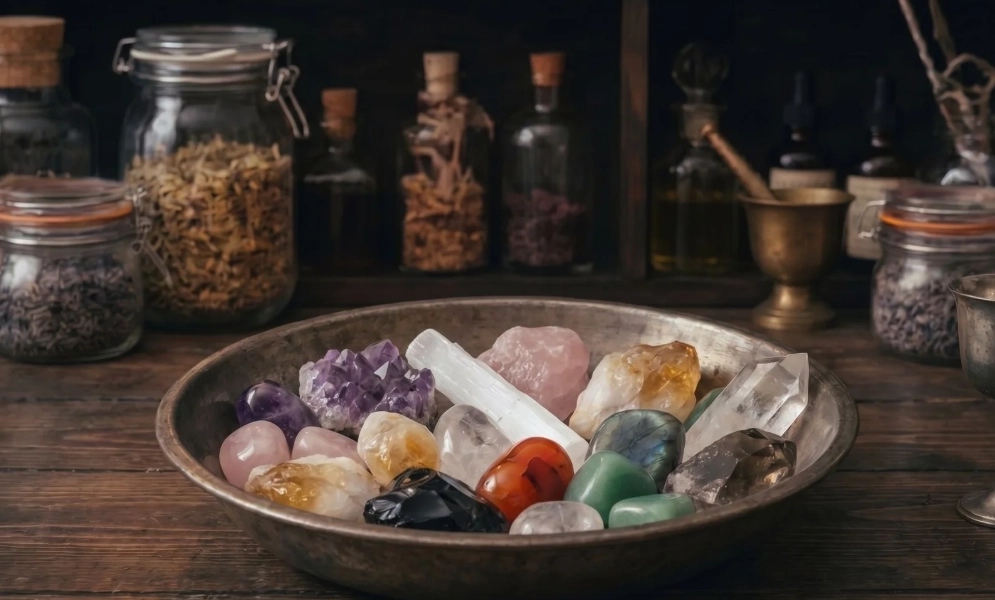
What Nobody Tells You About Starting
The first month of crystal collecting is not about buying. It's about learning to look. I visited four shops in my first two weeks and only bought from one. The other three taught me what overpriced and mislabeled stock actually looks like.
Most beginners rush to build a collection fast. They end up with a shoebox of small tumbled stones they never touch. The collectors I know who stuck with the hobby spent their first month handling crystals, reading labels, and asking annoying questions.
One specific detail that saved me money: Natural citrine almost never comes in a deep orange-brown tower under $30. That color usually means amethyst that's been heat-treated. Real citrine tends to be pale yellow with a smoky quality. If the price is too good, the color is probably baked in.
What is the best way to learn before spending money?
Go to a rock and mineral show before you go to a crystal shop. Vendors at mineral shows label specimens with locality data (where they were mined). Crystal shops often don't. The Mindat mineral database is free and tells you which localities are known for which crystal varieties. I check it before any purchase over $20 now.
The First Five Crystals Worth Buying
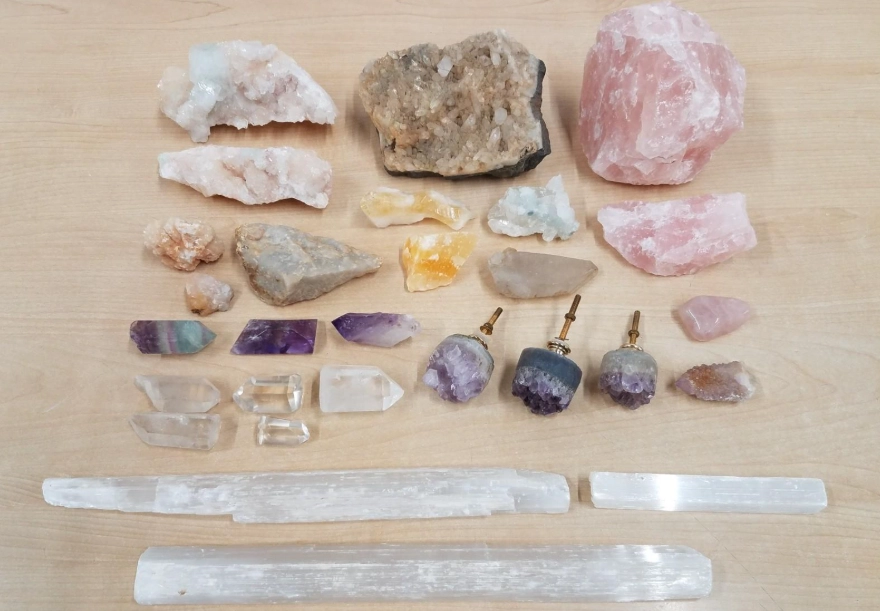
You don't need twenty crystals to start. You need five that teach you the difference between natural and treated, and that hold up as display pieces even if you upgrade later.
| Crystal | Why It's a Good Starter | Typical Price Range | Red Flag to Watch |
|---|---|---|---|
| Clear quartz point | Cheap, abundant, easy to identify. Teaches you about inclusions and fractures. | $8–$25 | "AAA clarity" at a bargain price usually means glass. |
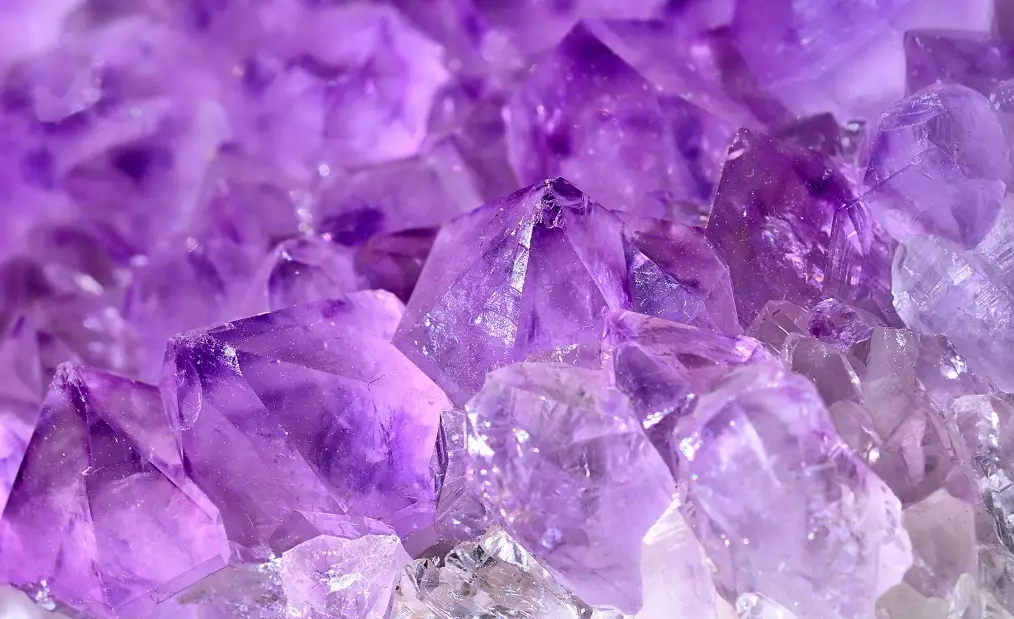
| Amethyst cluster | Natural color varies from pale lilac to deep purple. Good for learning about color zoning. | $15–$60 | Uniform, neon purple points with no color variation. |
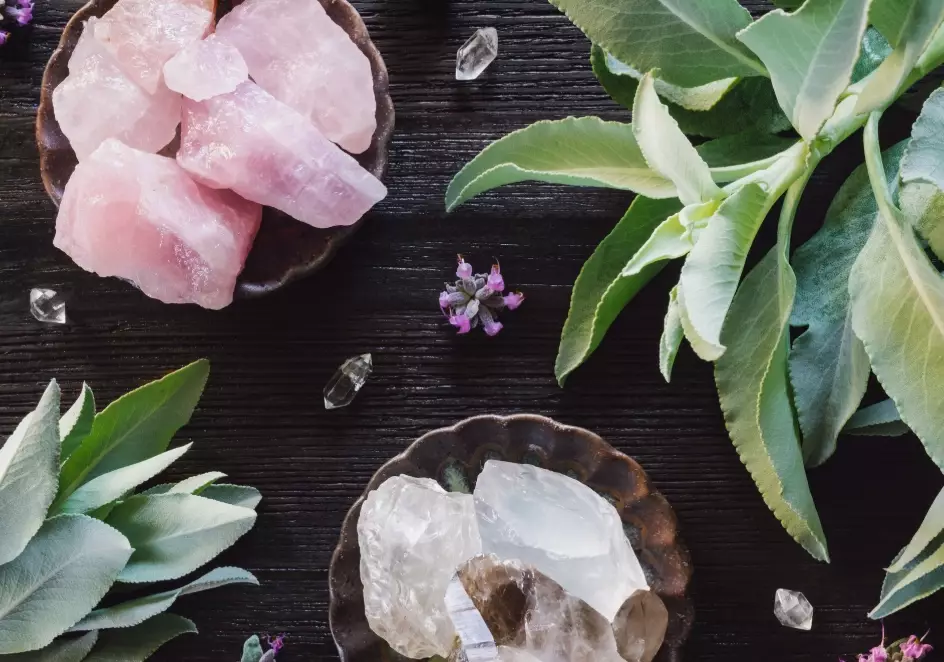
| Rose quartz chunk (unpolished) | Shows natural fractures and cloudy areas. Hard to fake convincingly. | $6–$20 | Overly pink, translucent pieces that look like glass. |
| Black tourmaline (schorl) | Common, affordable, and has distinct striations. Good specimen to handle. | $10–$30 | Perfectly smooth, matte black pieces (often dyed basalt). |
| Pyrite cube | Metallic luster is hard to fake. Teaches you about crystal habit. | $12–$35 | Perfectly geometric cubes at tourist shops (often cast resin). |
I still have my first pyrite cube. It sits next to a much nicer one I bought years later. The first one has a small chip on the corner. That chip is why I trust it.
Should you buy tumbled stones or raw specimens first?
Tumbled stones are cheaper and easier to find, but they hide natural crystal structure. Raw specimens show you terminations, matrix, and growth patterns. I'd suggest one of each for your first five. The raw pieces teach your eye faster.
How to Spot Dyed or Fake Crystals
This is where most beginner guides get vague. "Check for bubbles" is not enough. Here's what I actually do in a shop.
Look at the color distribution. Natural crystals often have uneven color—pale at the base, deeper at the tip, or patchy throughout. Dyed stones tend to have color pooled in cracks. Bring a small flashlight. Shine it through the crystal. Dye shows up as concentrated lines in fractures.
Check the label for locality. A shop that lists "Brazil" or "Madagascar" on the tag is more reliable than one that just says "citrine." The Gemological Institute of America has free resources on common treatments, and they're worth skimming before your first show.
A non-consensus tip: Sellers sometimes wipe crystals with oil to make them look shinier. If a stone feels greasy or leaves a residue on your fingers, that's not natural luster. I've walked away from otherwise decent pieces because of this.
Where to Buy Without Overpaying
Local rock and mineral shows beat crystal shops on price and honesty. Vendors at shows are usually collectors themselves, and they'll tell you if a piece is treated because their reputation depends on it. Check the American Federation of Mineralogical Societies for show listings by region.
Online, stick to sellers who post multiple angles and mention specific localities. Etsy has good vendors, but the search results are flooded with mass-produced pieces labeled as "natural." I filter by shops that list the mine or region.
My rule: if I can't hold it first, I don't spend more than $25 online. That keeps the risk low while I'm still learning.
Storage and Display That Actually Works
Crystals don't need much. But a few things matter.
- Keep them out of direct sunlight. Amethyst and rose quartz fade over months. I learned this the hard way with a rose quartz point that sat on a windowsill.
- Don't store soft stones next to hard ones. Selenite and calcite scratch easily. Keep them on a separate shelf or in a soft pouch.
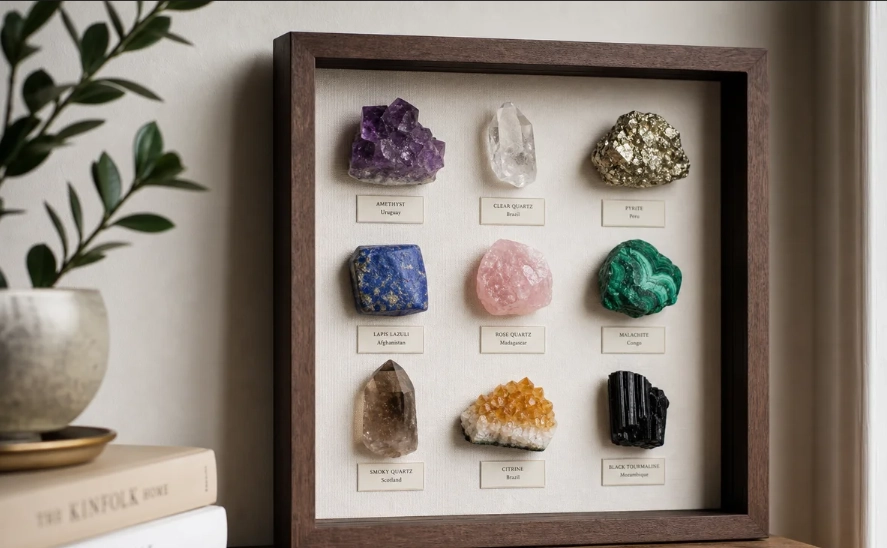
- A cheap shadow box works better than a fancy display case. I use a wooden tea box with felt lining. It holds about fifteen pieces and cost less than $10.
For displaying, small acrylic stands are fine. But don't bother with expensive LED-lit cases as a beginner. You'll change your setup three times in the first year anyway.
Beginner Questions I Get Asked Most
This guide was fact-checked against mineralogical databases and my own purchase records from the past decade. No sponsored links, no affiliate picks.
Leave a Comment