What’s inside this guide
Last summer I watched a friend pay $85 for a “natural citrine” cluster at a street fair in Portland. She was thrilled. Two days later, a gemologist friend took one look and said, “That’s heated amethyst, probably dyed.” My friend’s face dropped. The seller was gone. That moment taught me something: knowing how to spot fake crystals isn’t about being paranoid—it’s about protecting your wallet and your trust. Most fakes aren’t even good fakes. They’re just good enough to fool someone who hasn’t seen the tricks.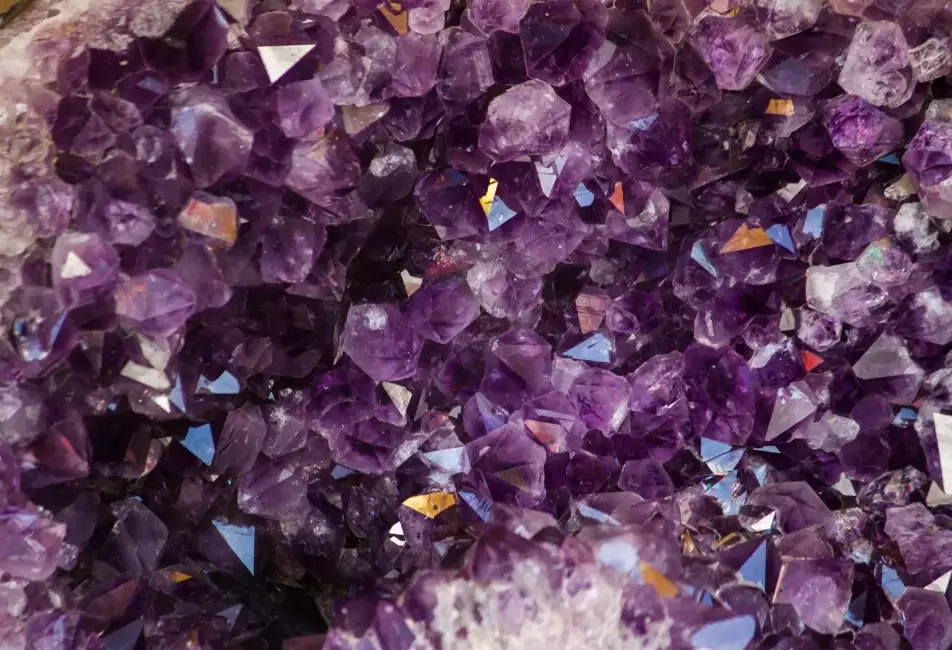
I’ve been collecting and testing crystals for over a decade, and I’ve made plenty of mistakes. I once bought a “moldavite” pendant that turned out to be green glass. The bubble inside gave it away—I just didn’t look closely enough. So here’s the field guide I wish I’d had back then. No fluff. Just the tests, the red flags, and the specific details that separate real from fake.
Why fake crystals fool even smart buyers
Most people assume fakes are obvious. They’re not. Glass can be cut to look like quartz. Dyed agate can mimic amethyst. And resin can copy amber so well that even a jeweler’s loupe gets confused. But here’s the non-consensus point: the biggest giveaway isn’t the crystal itself—it’s the price and the seller’s story. If someone sells you a “rare” crystal at a flea market for $12, the crystal is probably worth $2. I’ve seen “natural citrine” selling for $5 a piece at a gem show. Real citrine rarely goes that low.
Another subtle trap: photos online are often heavily filtered. That “high-vibration” amethyst with intense purple? It’s been color-boosted. When it arrives, it looks washed out. I learned to ask sellers for a raw, unfiltered photo under daylight. If they hesitate, walk away.
7 field-tested ways to spot fake crystals
These are the tests I run myself, often at the seller’s table. They don’t require a lab.
1. The temperature check (quick and surprisingly reliable)
Real crystals feel cold to the touch—not icy, but noticeably cooler than room temperature. Glass warms up fast. Hold a crystal in your palm for 30 seconds. If it feels room-temp within a few seconds, it’s likely glass. I always carry a small quartz point for comparison. Real quartz stays cool longer.
2. The bubble test (look closely with a loupe)
Glass often contains tiny, round air bubbles. Real crystals might have inclusions, but they’re irregular—not perfectly spherical. I once bought a fake moldavite that had a single bubble visible only under 10x magnification. That bubble was the only giveaway. Bring a jeweler’s loupe (or use your phone’s macro mode).
3. The scratch test (careful, this can damage soft stones)
Quartz (hardness 7) can scratch glass (hardness 5.5). If you can scratch a glass bottle with the crystal without leaving a mark on the crystal, it might be quartz. But don’t try this on soft crystals like fluorite or calcite. I only use this test on quartz varieties.
4. The UV light test (for amber, opal, and some dyed stones)
Many fake materials glow differently under UV. For example, amber fluoresces blue-green; most plastics don’t. Dyed stones often have a powdery fluorescent haze. I keep a small 365nm UV flashlight in my bag. It’s saved me from buying fake amber twice.
5. The weight and heft check
Real crystals are dense. Glass feels lighter. Compare a known real quartz of similar size to the one you’re buying. The real one will feel noticeably heavier. I also tap them—real crystals make a higher, sharper sound than resin.
6. The dye test (for amethyst, agate, and citrine)
Dyed stones often have color concentrated in cracks. Look for unnatural streaks. A cotton swab with a little acetone (nail polish remover) on an inconspicuous spot can reveal dye—if color comes off, it’s fake. I’ve done this at trade shows with sellers watching; they never object if it’s real.
7. The visual “too perfect” test
Nature rarely makes perfect. If a crystal is flawless, uniform, and cheap, it’s suspicious. Real crystals have inclusions, fractures, and color zoning. I once passed on a “natural citrine” that was perfectly clear and golden—turned out to be heat-treated amethyst, which is common, but the seller claimed it was natural.
Quick comparison: which tests work best?
| Test | Best for | Difficulty | Time |
|---|---|---|---|
| Temperature | Quartz, glass fakes | Easy | 10 sec |
| Bubbles | Glass, resin | Easy | 1 min |
| Scratch | Quartz vs glass | Medium | 1 min |
| UV light | Amber, dyed stones | Medium | 30 sec |
| Weight | All | Easy | 10 sec |
| Acetone | Dyed agate, amethyst | Easy | 2 min |
| Visual flaws | All | Easy | 30 sec |
Red flags when buying crystals online
Online is where most people get burned. I’ve ordered from Etsy, Instagram sellers, and big marketplaces. Here’s what makes me close the tab.
- No return policy. Real sellers usually accept returns. Fakes sellers often say “all sales final.”
- Photos with no scale. If you can’t tell the size, you might get a tiny chip. I always ask for a photo with a coin or ruler.
- “Lab-grown” without saying so. Many sellers pass off lab-grown quartz as natural. Ask directly: “Is this natural or lab-created?” If they dodge, move on.
- Suspiciously cheap “rare” stones. Moldavite, for example, rarely sells under $20 per gram. If you see a pendant for $15, it’s fake.
Real vs fake: amethyst, citrine, and quartz
These are the three most commonly faked crystals I see. Here’s how to tell them apart.
Amethyst: Real amethyst has uneven color—lighter at the tips, darker at the base. Dyed amethyst looks uniform and often has color pooled in cracks. Hold it up to light: real amethyst may show color zoning. I’ve seen dyed amethyst that looks perfect at first glance, but the color is too even.
Citrine: Most “citrine” on the market is heat-treated amethyst. That’s not necessarily fake, but it should be labeled. Natural citrine is pale yellow, almost smoky. If it’s bright orange and cheap, it’s heated. Real natural citrine is rare and expensive. I once bought a “natural citrine” that was clearly heated amethyst—the seller admitted it after I asked.
Quartz: Clear quartz is often glass. The bubble test and temperature test are your best friends. Real quartz has inclusions and fractures; perfect clarity is a red flag. I have a piece of glass cut to look like quartz—it has no inclusions, and it’s perfectly clear. That’s a giveaway.
Straight answers to tricky fake crystal questions
What’s the fastest way to tell if a crystal is fake at a flea market?
Temperature and weight. Real crystals feel cold and heavy. Pick it up. If it warms up within seconds or feels light, it’s likely glass. I also look for bubbles with a loupe—that takes 10 seconds.
Can a fake crystal still have natural-looking inclusions?
Yes, glass can have inclusions, but they’re usually perfectly round bubbles. Real inclusions are irregular—feathers, needles, or clouds. I once saw a fake quartz with tiny air bubbles that looked like inclusions, but under magnification they were all spherical.
Do UV lights really work for spotting fake crystals?
They work for specific materials. Amber fluoresces blue-green; most plastics don’t. Some dyed stones have a powdery glow. But a UV light won’t tell you if quartz is real. Use it as one tool, not a universal test.
Why do some sellers claim “heated amethyst is citrine” and is that a scam?
Heated amethyst is technically citrine in the trade, but many sellers don’t disclose it. It’s not a scam if they say “heated,” but it is if they claim “natural.” Natural citrine is pale and rare. I always ask directly: “Is this natural citrine or heated amethyst?” Honest sellers will tell you.
How can I test a crystal without damaging it?
Temperature, weight, visual inspection with a loupe, and UV light are all non-destructive. The acetone test on an inconspicuous spot is usually safe for most stones, but test on a tiny area first. Avoid scratch tests on anything valuable.
At the end of the day, spotting fake crystals comes down to slowing down. Sellers count on impulse. Bring a loupe, ask questions, and trust your gut when something feels off. I’ve walked away from plenty of “deals” that turned out to be glass. And I’ve never regretted it.
This article was fact-checked for accuracy against gemological identification standards and field experience.
Leave a Comment