
Cleaning crystals isn't scrubbing them under a tap and calling it a day. I learned that the hard way years ago when I dropped a raw malachite point into a bowl of water and watched the surface turn cloudy within minutes. Water destroys malachite. Period. Since then I've tested cleaning and cleansing routines on hundreds of pieces, from cheap quartz points to a single pink halite chunk I now handle with gloves. Here's the practical version: what's safe, what isn't, and the cleaning mistakes almost every beginner makes.
Dust and Finger Oils: The Basic Clean
Every crystal that sits on a shelf collects a fine layer of dust. Handled pieces get worse—finger oils mix with dust and form a dull film. That film is why your quartz looks gray instead of clear, and no amount of moonlight "recharging" fixes it. You need actual cleaning first.
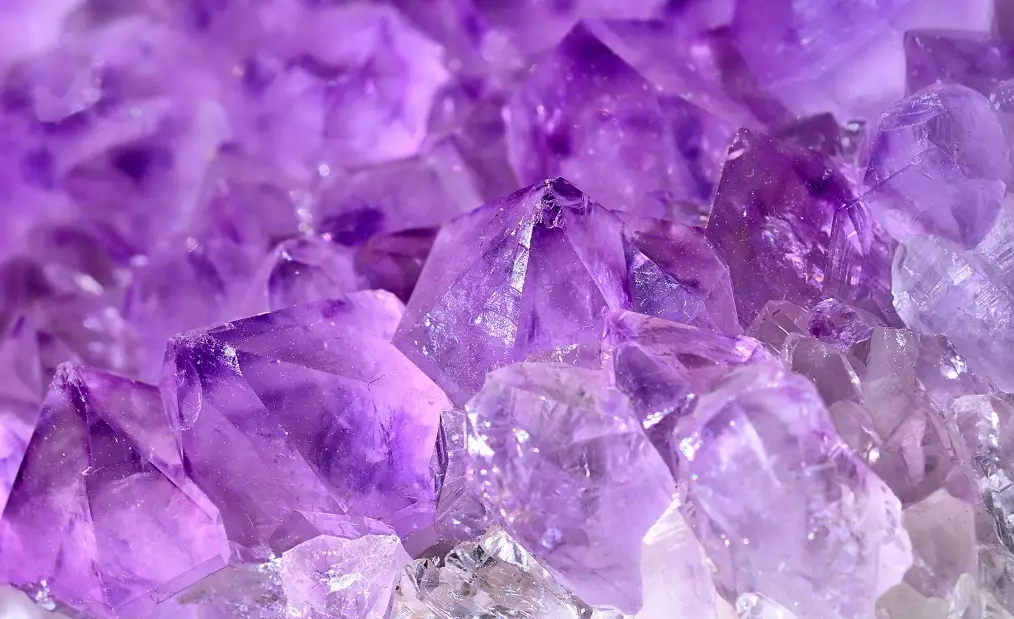
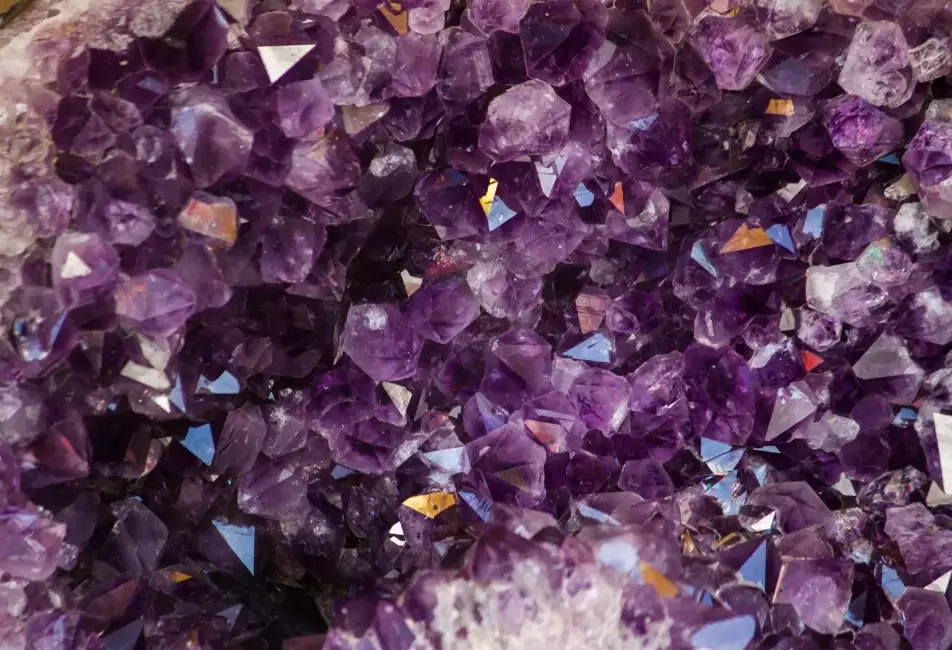
For most hard stones like quartz, amethyst, citrine, and obsidian, the routine is simple. Lukewarm water. One drop of mild dish soap. A soft toothbrush for ridges and crevices. Rinse. Pat dry with a microfiber cloth. That's it.
Two details I've found matter. First, use water at room temperature—cold water on a stone that's been sitting in afternoon sun can cause thermal shock and hairline cracks. I learned this after cracking a thin quartz plate that had been on a sunny windowsill. Second, dry right away. Water spots on polished surfaces are mineral deposits, and over time they etch the polish. Microfiber, not paper towels. Paper towels leave lint in crevices, and that lint traps more dust.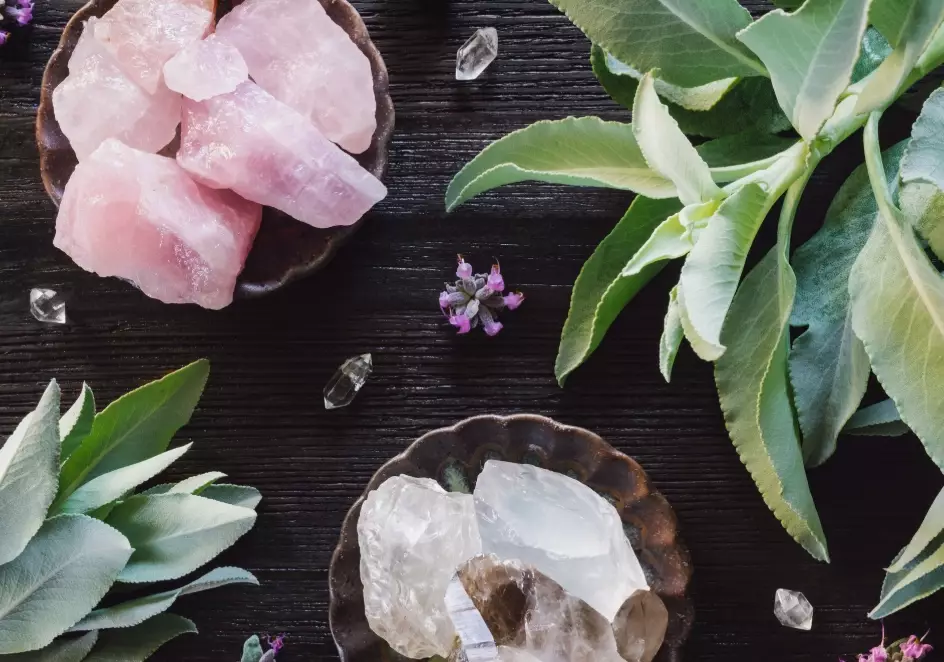
Is It Safe to Clean Crystals in Water?
No universal answer. Water safety depends entirely on what the crystal is made of, and this is where most guides get vague. Here's the breakdown I wish I'd had at the start:
| Crystal type | Water safe? | Why |
|---|---|---|
| Quartz, amethyst, citrine, rose quartz | Yes, quick rinse | Hard surfaces, but don't soak for hours—trapped moisture dulls unpolished points |
| Malachite, azurite, turquoise | No | Copper-based minerals react with water and lose surface polish |
| Selenite, halite, calcite | No | Soluble or porous; water dissolves or flakes the surface |
| Pyrite, hematite | No | Iron content rusts and stains surrounding stone |
| Labradorite, moonstone | Quick rinse only | Fine cleavage lines can trap water; never soak |
| Black tourmaline, obsidian | Yes | Dense and stable; one of the few specimens you can rinse without worry |
When a crystal is water-safe, quick means under 30 seconds. I don't soak anything except obsidian, and even then only for a minute or two. Soaking feels thorough but it pushes water into cracks that take days to dry, and that moisture can discolor inclusions.
How Do You Clean Crystals That Can't Get Wet?
Dry methods. Three that work, ranked by how messy they are:
- Soft brush dry-clean. A clean makeup brush or camera lens brush. Effective for surface dust on selenite, halite, and malachite. Do this weekly for display pieces.
- Rice dust bath. Bury the piece in dry white rice overnight, then brush it off. The rice pulls dust from crevices. Works well on porous specimens, though it's fussier than it sounds—do it over a tray.
- Compressed air. Use the low setting and hold the can at least six inches away. High pressure on a soft mineral like calcite can chip edges. I keep this for clustered specimens only, like pyrite on matrix.
Avoid the salt-water "cleansing" method for anything porous. Salt crystals grow inside cracks and expand. I've seen a beautiful raw selenite wand shed layers after a single salt bath—an expensive lesson in what not to do.
Cleansing vs. Cleaning: What's the Difference?
These get mixed up constantly. Cleaning is physical—removing dust, oils, and residue. Cleansing is the energy/metaphysical side, and there's no cleaning-adjacent reason to do it. But if that practice matters to you, keep them separate: clean first, then cleanse. Cleansing a dusty crystal is pointless.
Common cleansing methods people ask about: moonlight, sound bowls, dry herbs, and selenite plates. Note what they have in common—none require water or salt, which is why they're safer for water-sensitive stones. If you use a salt bed for cleansing, place the stone on a barrier so it never touches the salt directly.
Five Cleaning Mistakes That Ruin Crystals
Beyond the malachite disaster I mentioned, here's what I see most often:
- Ultrasonic cleaners. Jewelry shops offer them, and they''ll crack stones with cleavage lines—moonstone, labradorite, topaz. Never use one on a raw specimen.
- Vinegar or lemon juice. Acid dulls polished surfaces and eats at any soft mineral. Skip it entirely.
- Direct sunlight drying. Some crystals—amethyst and rose quartz especially—fade under prolonged sun exposure. Dry in the shade.
- Dishwasher or hot water. Heat shock is real, and it's a one-way trip to a cracked crystal.
- Wiping with a sponge previously used with cleaners. Residual bleach or ammonia leaves a hazy film. Keep one cloth exclusive to crystals.
Before you clean any new piece, do the fingernail test. Scratch gently on a hidden spot—if it leaves a mark, treat it as soft and use dry methods only. This one test has saved me from damaging more crystals than any other habit.
FAQ: Common Questions I Get Asked
One last thing I'll stand by: clean your crystals before you show them to anyone who wants to "feel their energy." Hand oils and dust do more visible damage than any cleansing ritual can undo. And if you ever inherit a piece with unknown history, start with dry methods first and work up. Water can wait.
Leave a Comment