What's Inside This Guide
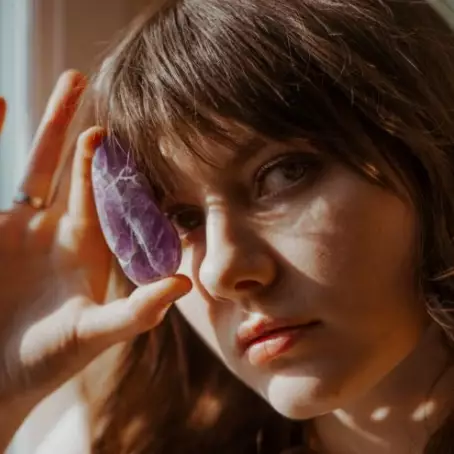
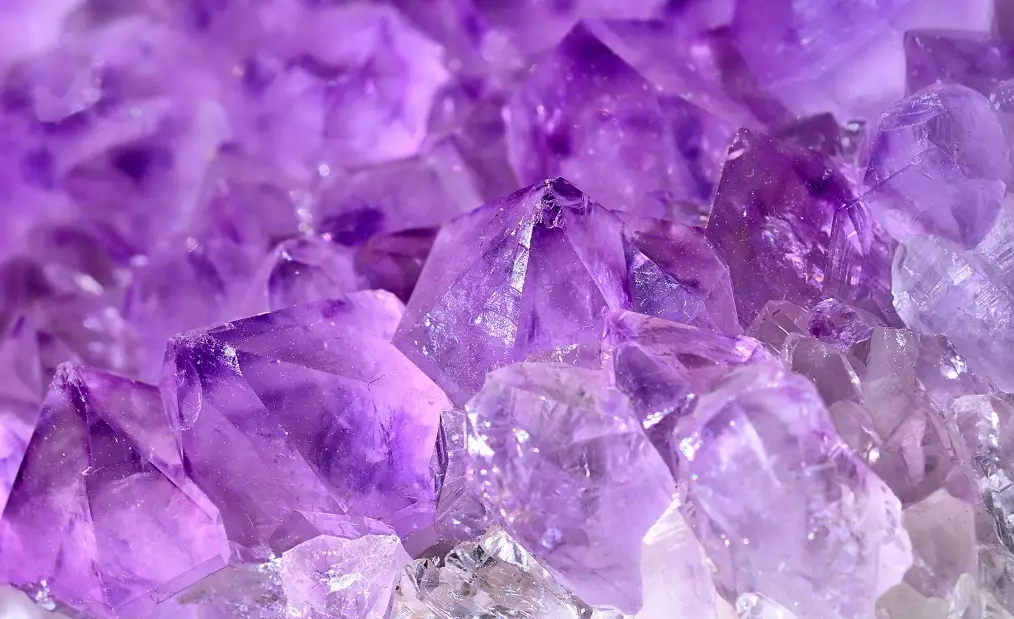
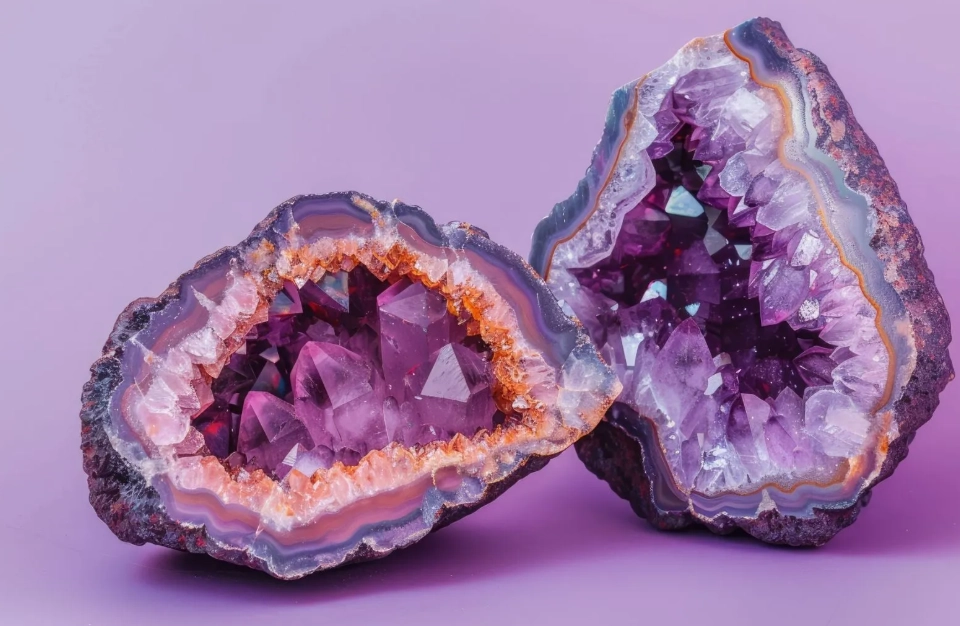
I still remember the first time I held a raw amethyst cluster. It felt heavy, cold, and kind of awkward — like holding a piece of frozen honeycomb. A week later, a friend handed me a polished amethyst point. Smooth, shiny, felt like a smooth stone you'd skip across a lake. Two very different vibes from the same mineral. That's the core of the raw vs polished crystals debate: it's not about which is “better.” It's about which one matches how you live, how you use it, and what you expect from it.
In this guide, I'll walk you through the practical stuff I've learned from buying, cleaning, and (yes) dropping both types. No fluff. Just what actually matters when you're standing in a shop or scrolling through an online listing.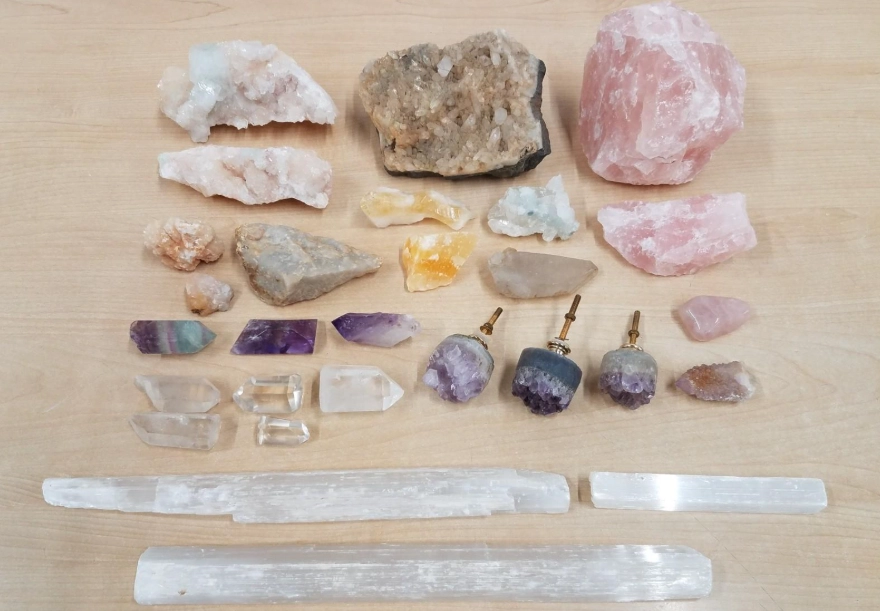
What Is a Raw Crystal, Really?
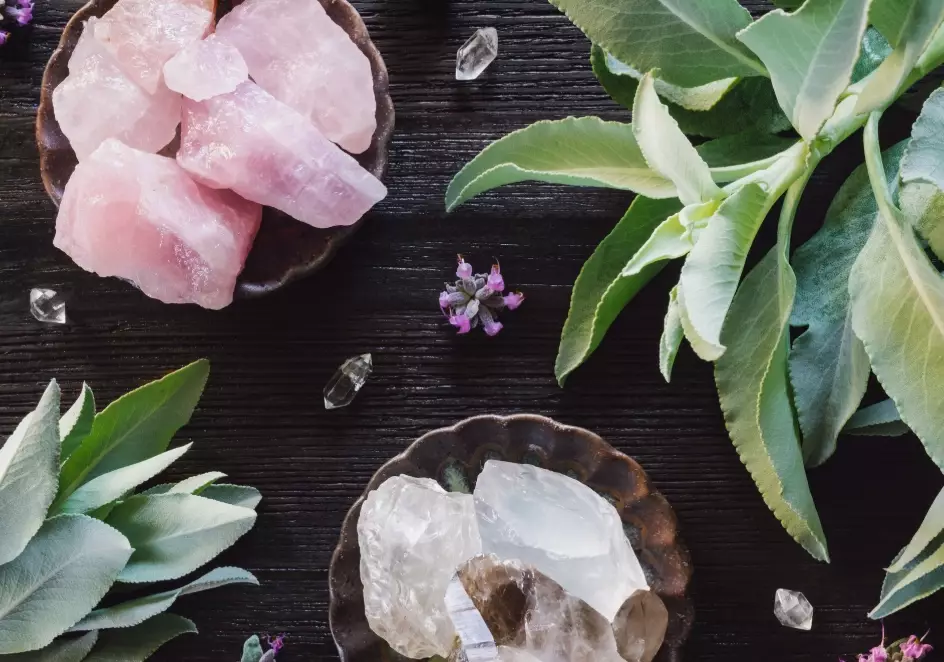
A raw crystal is exactly what comes out of the ground—no cutting, no polishing, no reshaping. It might have broken edges, clay stuck in crevices, or a lopsided shape that makes it wobble on your shelf. That's normal.
But here's a detail most people miss: raw doesn't automatically mean “natural” in the way you think. I've seen sellers label a broken piece of quartz as “raw” when it was clearly chipped during shipping. Genuine raw crystals have surfaces that look etched by time—uneven, sometimes with tiny pits or natural fractures. If it's too neat, it's probably been tumbled or lightly polished.
Another thing: raw crystals often come with matrix (the host rock). That greenish gunk on your raw emerald? That's beryl matrix. Some collectors love it because it proves authenticity. Others hate it because it looks messy. Neither is wrong.
One more non-obvious point—raw crystals can be surprisingly fragile. I once knocked a raw selenite wand off a nightstand (don't ask). It shattered into three pieces. Polished selenite would've survived. That's a trade-off you don't hear often.
The Polished Crystal Truth Nobody Tells You
Polished crystals get a bad rap in some circles. People say they're “less natural” or “lose their energy.” I used to believe that until I spent a weekend at a lapidary workshop in Arizona and watched a guy named Rick turn a rough chunk of rose quartz into a smooth heart. He used water and progressively finer grit. No chemicals. No heat. Just friction.
Here's the thing: polishing doesn't change the chemical structure of the crystal. It just smooths the surface. The silicon-oxygen bonds inside are identical. So when someone tells you polished crystals have “weaker energy,” ask them to define energy. Usually, they mean the tactile feel—and yes, polished stones feel different. Smoother. Cooler. Less “grippy.”
But polished crystals have real advantages. They're easier to clean (no deep crevices for dust). They don't snag on clothing. And they're less likely to chip if you carry them in a pocket. I've carried a polished black tourmaline in my jeans pocket for months—no damage. My raw tourmaline in the same pocket? Lost a few tiny shards within a week.
The downside: polished crystals can be faked more easily. Glass and resin look great when polished. Raw pieces are harder to counterfeit because the natural irregularities are tough to replicate cheaply. So if you're buying online and the price seems too good, polished is riskier.
Energy Showdown: Raw vs Polished Crystals
Let's talk about the elephant in the room. A lot of people care about the “energy” of crystals. I'm not here to tell you what to believe. But I can share what I've noticed after handling hundreds of both types.
Raw crystals have a certain presence. Maybe it's the texture. Maybe it's the knowledge that this shape came from the earth without human interference. When I hold a raw chunk of labradorite, I feel a little jolt—probably because the edges are sharp and my brain says “careful.” Polished labradorite feels calming. Smooth. Like a river stone. Same flash, different vibe.
If you're into crystal healing, here's a practical tip from someone who's been to way too many metaphysical shops: raw crystals are often recommended for “grounding” work, while polished ones are suggested for “directing” energy. That's a generalization, but it comes from the fact that raw pieces have more surface area and irregular shapes—which some practitioners say creates a more diffuse energy field. Polished points, on the other hand, are shaped to focus energy in one direction.
My take? Don't overthink it. Pick the one you're drawn to. If you love the look of raw, go raw. If you prefer smooth, polished is fine. The intention you bring matters more than the finish.
How to Care for Raw vs Polished Crystals
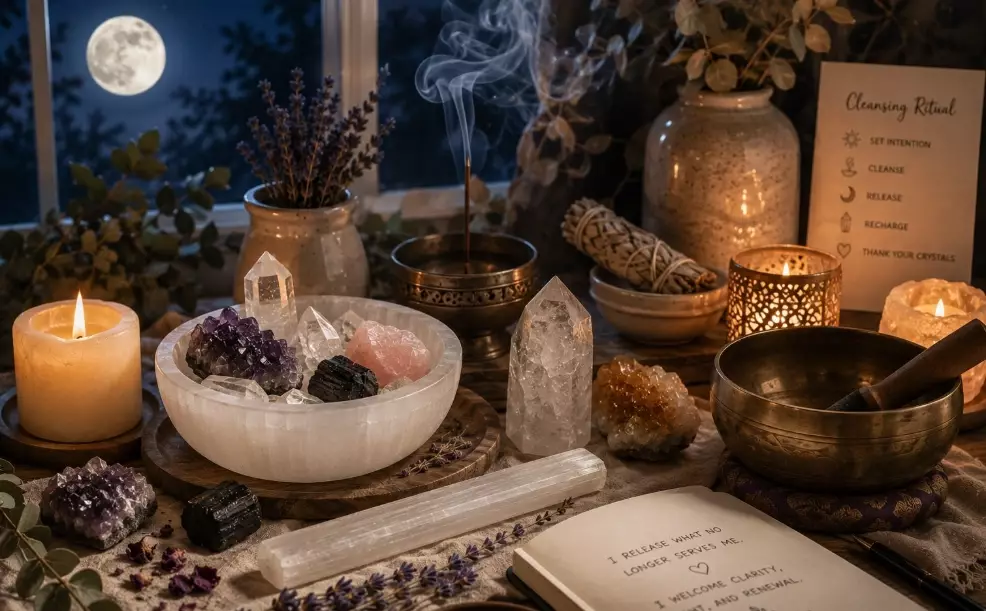
This is where the two types really diverge. Raw crystals are dust magnets. Those little pits and crevices trap everything—lint, pet hair, crumbs from your morning toast. I use a soft toothbrush and lukewarm water to clean mine. No soap (some crystals like selenite dissolve in water, so check first).
Polished crystals are easier. A microfiber cloth does the job. For deeper cleaning, a damp cloth with a tiny drop of mild dish soap works for most (except porous ones like malachite—keep those dry).
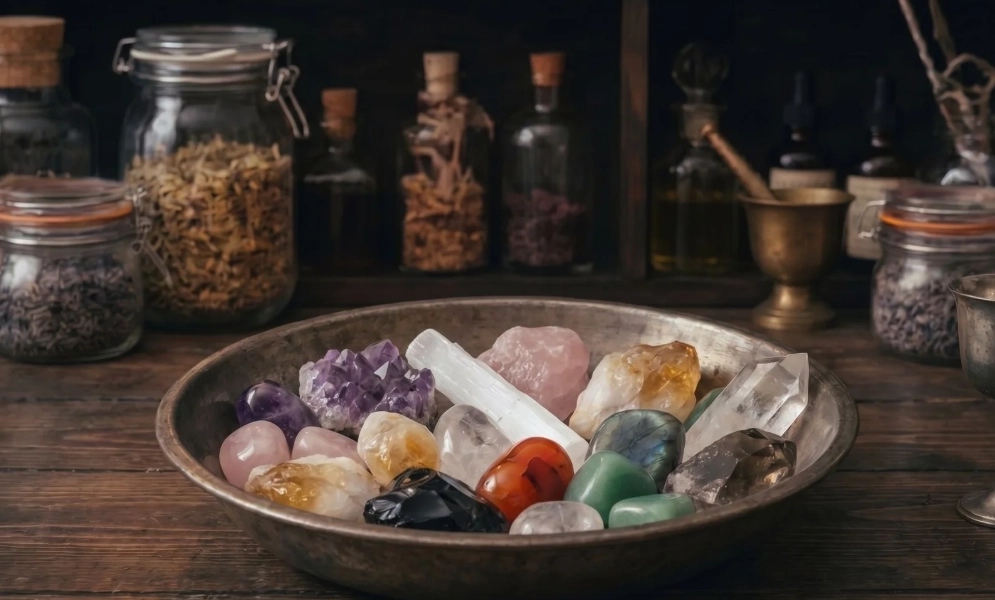
Storage matters too. Raw crystals can scratch each other if you pile them in a bowl. I learned that the hard way with a batch of raw fluorite—now they each sit on a felt pad. Polished crystals are more forgiving, but they can still chip if they knock together. A lined jewelry box works well.
One more thing: sunlight. Raw amethyst fades faster than polished because the rough surface has more exposed area. If you display either near a window, rotate them every few weeks to avoid uneven fading.
Buying Guide: Price, Authenticity, and Red Flags
Here's a quick comparison table I wish I'd had when I started collecting. Prices are based on what I've paid at shows and reputable online shops (not big-box stores).
| Factor | Raw Crystals | Polished Crystals |
|---|---|---|
| Typical price for a 2-inch piece | $8–$25 (varies by mineral) | $12–$40 (more labor) |
| Authenticity risk | Lower (harder to fake) | Higher (glass/resin fakes common) |
| Cleaning difficulty | High (crevices) | Low (smooth surface) |
| Durability in pocket | Low (chips easily) | High (resists chipping) |
| Display appeal | Rustic, natural look | Clean, shiny look |
| Best for | Collectors, grounding work | Jewelry, travel, beginners |
Red flags to watch for: raw crystals that look “too clean” (might be acid-washed). Polished crystals with perfectly uniform color (likely dyed). And any listing that says “polished raw crystal”—that's an oxymoron. Pick one.
If you're buying online, ask for a video. Photos hide fractures and dye lines. I once bought a “raw” citrine that turned out to be heat-treated amethyst—a classic trick. Now I always ask: “Is this natural color or treated?” A good seller will answer straight.
My Personal Take from Handling Both
I've been collecting for over a decade. My shelf has both. My nightstand has a raw moonstone (for the texture) and a polished clear quartz point (because it doesn't roll off). My travel pouch? Polished only. Raw chips in my bag and I find tiny shards everywhere.
If I had to pick one for a beginner, I'd say start with polished. It's more forgiving. You can drop it, wipe it, and not worry about losing a piece of the surface. Once you know what you like, add raw pieces for character.
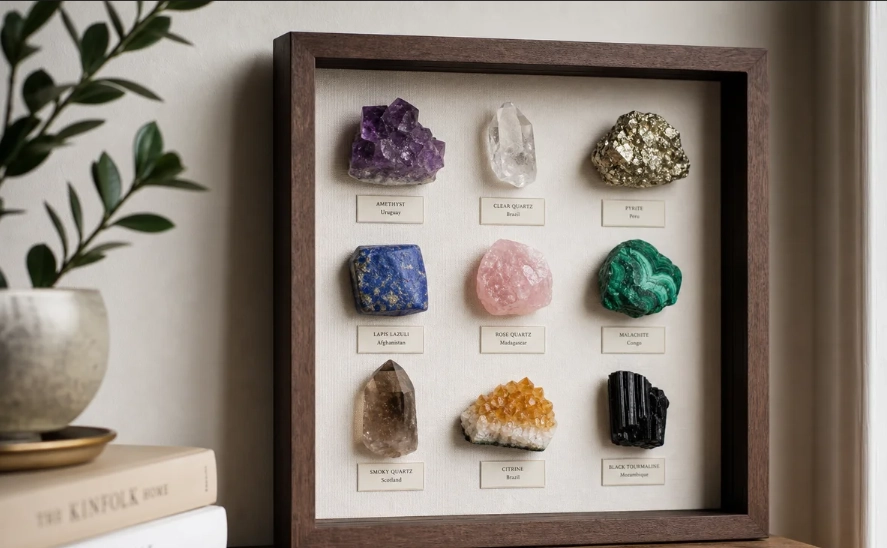
But here's a contrarian view: raw crystals are better for learning. You see the natural growth patterns, the inclusions, the matrix. You learn to identify minerals faster. Polished pieces hide those clues. So if you want to become a serious collector, buy raw first. It's like learning to cook with whole ingredients before using pre-cut ones.
FAQ: Real Questions from Crystal Collectors
At the end of the day, the raw vs polished crystals choice comes down to your lifestyle. If you want something to toss in your bag and forget about, go polished. If you want a piece that feels like a tiny piece of the earth, go raw. Both are real. Both are useful. And honestly, most of us end up with a mix.
This article was fact-checked against lapidary industry guidelines and my own hands-on experience with hundreds of specimens.
Leave a Comment