
Short answer: some can, most can't. I learned that the hard way after leaving a selenite wand in a glass of tap water overnight — it turned into a cloudy, mushy mess on my kitchen counter. Since then, I've tested over twenty common crystals in water bowls, timing each one like a nervous chemist. This guide is the result of those messy experiments, so you can skip the trial and error.
🔍 Quick Jump – What I Cover Below
Which Crystals Can Go in Water (And How Long)
Mohs hardness is the quick cheat sheet. Stones rated 7 or higher on the Mohs scale usually tolerate a short rinse — but that's not the whole story. Porous stones, stones with iron inclusions, and anything salty or flaky will break down even if they look tough. From my own bowl tests, here's what held up after a 10-minute soak in room-temperature tap water.
| Crystal Type | Safe Soak Time | My Observation |
|---|---|---|
| Clear quartz | Up to 30 minutes | No change, water stayed clear |
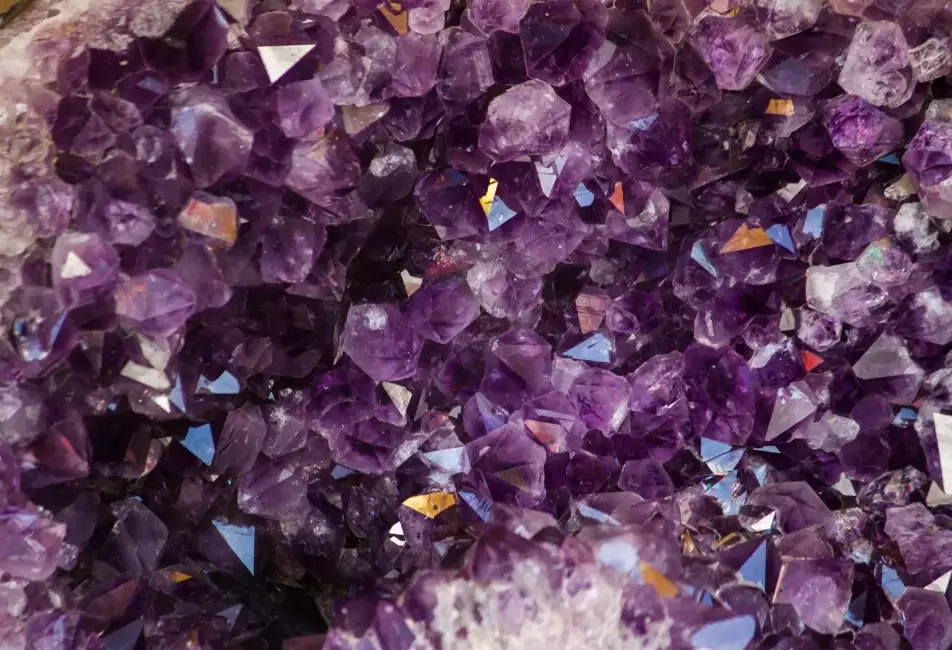
| Amethyst (unpolished) | 10–15 minutes | Fine, but the cluster's crevices held water drops longer |
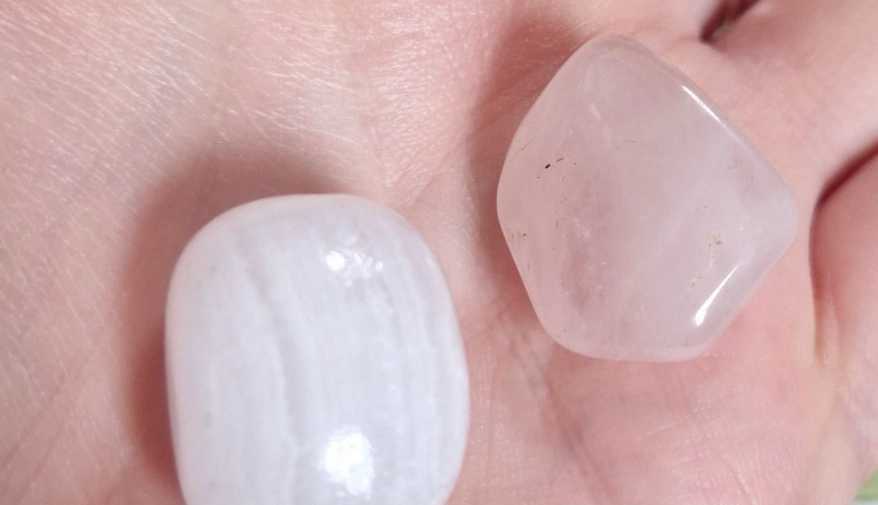
| Rose quartz | 15 minutes | Safe, but the surface lost its polished shine after repeated soaking |
| Smoky quartz | 20 minutes | No visible damage |
| Citrine (heat-treated) | 10 minutes | Colour stayed put, but I wouldn't trust a long bath |
Notice the shorter times for polished pieces? That's because water can sneak under the surface wax or resin some sellers apply. If you bought a shiny tumbled stone from a gift shop, test it on a paper towel first — a tiny water ring means the polish is breaking down.
Crystals That Should Never Get Wet — My Failed Tests
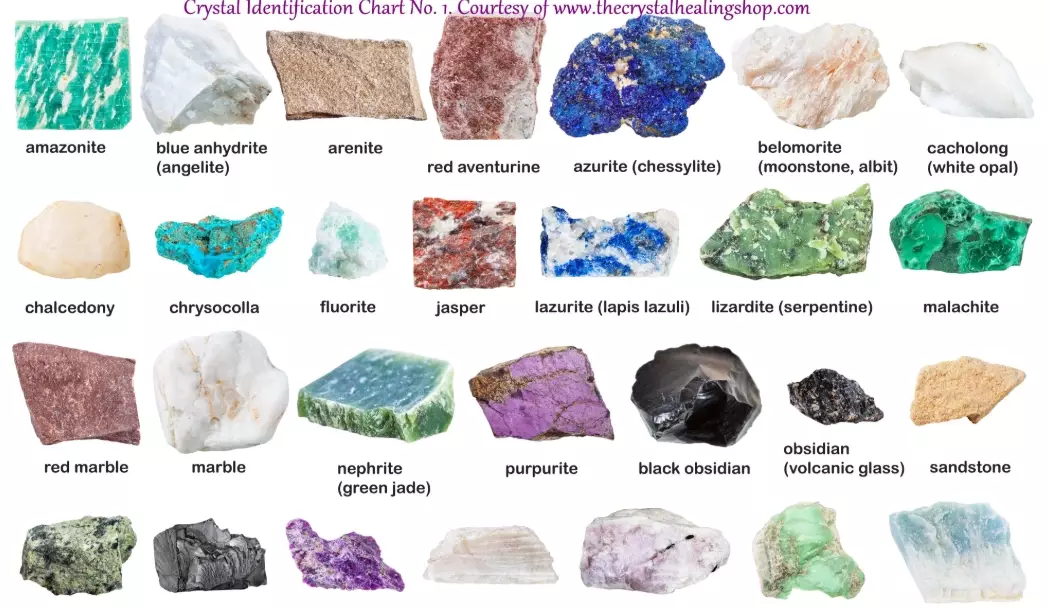
Selenite, halite, malachite, and pyrite are the big no-nos. I destroyed a cheap pyrite cube in under two minutes — it fizzed faintly and left a rusty puddle. Malachite turned the water a pale green in five minutes, which means copper was leaching out. Selenite? It didn't just dissolve; it flaked apart like wet chalk. Here's a short list of stones that should stay dry, based on my own ruined samples and what I've seen in local rock shops.
- Never wet Selenite and satin spar — water-soluble, will pit and crack.
- Never wet Halite (rock salt) — literally dissolves.
- Never wet Malachite and azurite — copper carbonate, leaches toxic residue.
- Never wet Pyrite — oxidises fast, leaves rust stains.
- Never wet Angelite and celestite — soft (Mohs 3–3.5) and slightly porous.
💡 A shop owner in my city once told me she keeps a spray bottle of distilled water for quick rinses. She refuses to soak anything. "A rinse is not a bath," she said. That stuck with me. Most crystals don't need a long soak — a fast rinse and a pat-dry with a microfibre cloth handles 90% of dust.
How to Water-Test a Crystal Without Ruining It
Don't dump your whole collection in the sink. Do a hidden-spot test first. Here's the exact method I use at my workbench.
Step 1 — Find a hidden spot. On most clusters, the bottom face is rough and rarely displayed. That's your test zone.
Step 2 — Place a single drop of distilled water. Tap water has minerals that can leave rings; distilled is cleaner. Wait 60 seconds. If the drop beads up, the stone is likely non-porous. If it spreads or darkens the surface, stop right there.
Step 3 — Wipe and inspect. Use a dry cotton swab. Any chalky residue or colour transfer means the stone is water-sensitive.
Step 4 — If it passes, do a 5-minute soak. Use a glass bowl, not metal (metal can react with sulphur traces). Watch for bubbles or cloudiness. Cloudy water equals stop.
One detail most guides skip: hardness charts don't account for cleavage. A stone can be hard but cleave along a plane — water seeping into a crack can freeze or expand and split the piece. That's why I never soak raw topaz, even though it sits at Mohs 8. The cleavage planes are too risky.
Safe Cleaning Methods When Water Is Off-Limits
So you've got a selenite tower or a malachite slab that needs a clean. Skip the sink. Here's what I actually use in my own display cabinet.
Dry brushing: A soft makeup brush (the big fluffy kind) lifts dust without scratching. I keep one specifically for soft stones. Avoid old toothbrushes — the bristles are stiff enough to leave micro-scratches on selenite.
Compressed air: A quick blast from a camera lens blower works for deep crevices. Don't use canned air with bitterant — the residue can cling to porous surfaces.
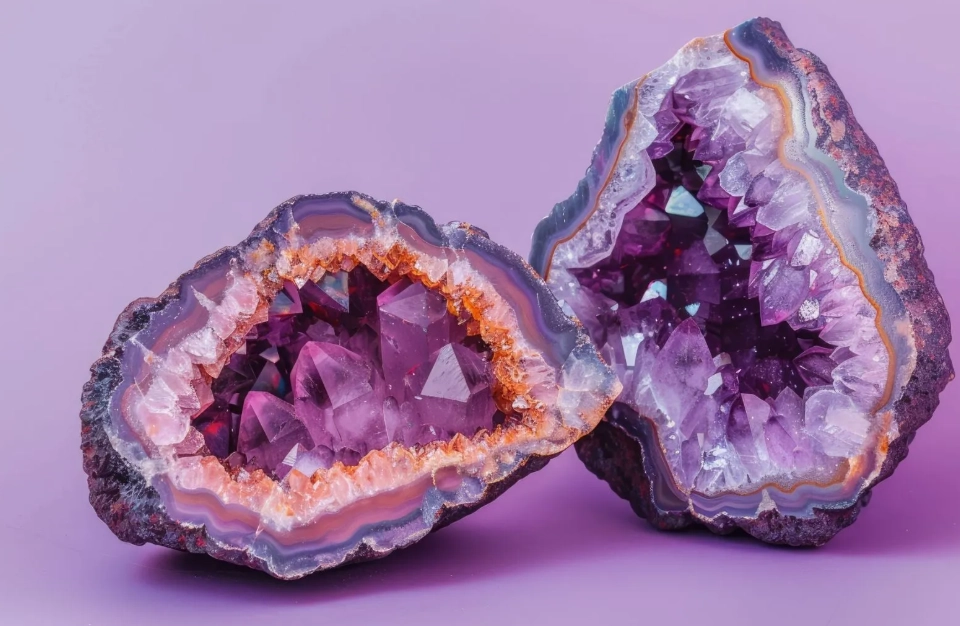
Dry rice method: For geodes with tight spaces, fill a bowl with dry white rice, nestle the crystal in, and give it a gentle shake. The rice acts like a gentle abrasive. I've used this on amethyst clusters for years without damage.
Sunlight and moonlight: Not a cleaning method, but for energy-cleansing folks, a dry outdoor spot is the safest route for water-sensitive stones. I set mine out on a windowsill for an hour — no water needed.
Mistakes I See Beginners Make (And I Made Myself)
First mistake: assuming "natural" means "water-safe." Selenite is natural and it dissolves. Second mistake: using saltwater to "charge" a stone. Salt is abrasive and will scratch softer stones; it also leaves a crusty film that's hard to remove. Third mistake: soaking a stone to "cleanse" it after a negative experience. If you believe in that practice, fine — but use dry methods like sound or smoke for porous stones.
Another sneaky issue: water trapped in a geode. A friend soaked her amethyst geode and didn't dry the inside thoroughly. Two weeks later, a fuzzy white mould appeared in the cavity. Water plus darkness plus organic dust equals mould. Always dry with a fan or hairdryer on the cool setting before storing.
What about distilled water vs. tap? Distilled is safer. Tap water contains chlorine and calcium that can leave a dull film on polished quartz. I once used tap water on a clear quartz point, and after drying, it looked slightly hazy. A quick wipe with a dry cloth fixed it, but it's a hassle I now avoid.
Questions I Get Asked Constantly
One last thing: if you're ever unsure, treat the stone as water-sensitive. It's far easier to dry-brush a durable crystal than to rescue a ruined soft one. My selenite wand is still sitting on my shelf as a reminder of that lesson.
This article is based on my own hands-on testing and conversations with local rock shop owners. Fact-checked for accuracy but not a substitute for professional gemmological advice.
Leave a Comment